-
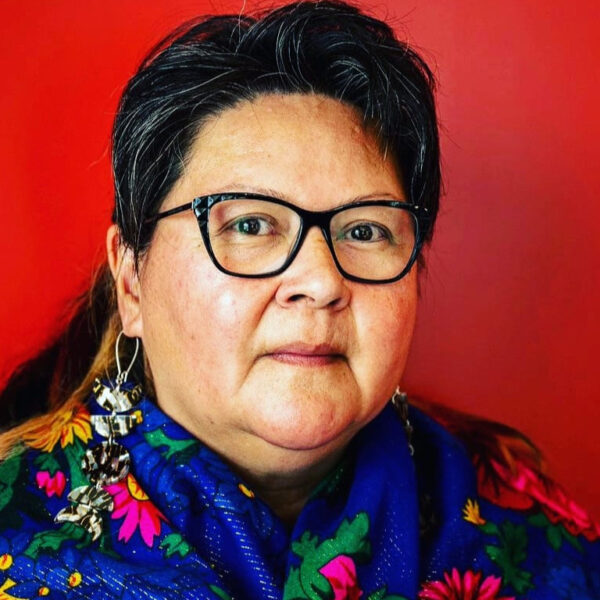
Elaine Kicknosway
Land Acknowledgement
Elaine Kicknosway is Swampy Cree through her biological mother from Amisk Lake; her biological father is from Buffalo Narrows, Saskatchewan. She is a member of Peter Ballantyne Cree Nation in Northern Saskatchewan and is part of the Wolf Clan. Elaine is a Sixties Scoop survivor who returned home in 1996. She has been a longtime community advocate in the areas of child welfare, MMIW2SG, healthy families and Indigenous wellness that include spaces for the LGBTQ2S+. Elaine is an Indigenous, trauma-informed counsellor, a Blanket Exercise facilitator and trainer, an Indigenous full spectrum birth-to-death doula, and a traditional dancer, singer and drummer. She is the co-founder of The Sixties Scoop Network and a carrier of ceremonial teachings.
-

Kristin Light
Emcee, Panel 5: Moving the Needle Toward Neuro-Affirming Mental Health Care and Well-Being
From the boardroom to the ballroom, Kristin Light brings a distinctive mix of executive insight, candid storytelling, and a dash of vintage sparkle to every stage she graces. A multiple neurodivergent speaker, emcee, and LEGO® Serious Play® facilitator specializing in neuroinclusion and mental health literacy, Kristin’s unique style makes complex ideas relatable, actionable, and memorable — helping inspire a future where every mind can find its groove.
-
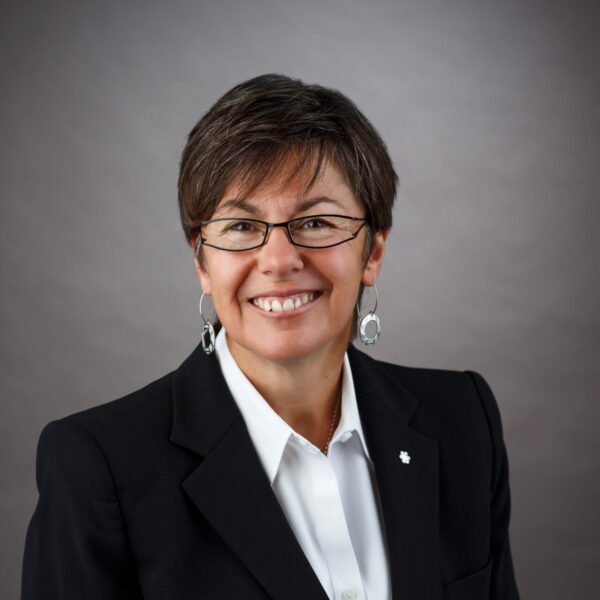
The Honourable Kim Pate
Keynote Speaker
Senator, Senate of Canada
Senator Pate was appointed to the Senate of Canada on November 10, 2016. First and foremost, the mother of Michael and Madison, she is also a nationally renowned advocate who has spent the last 45+ years working in and around the legal and penal systems of Canada, with and on behalf of some of the most marginalized, victimized, criminalized and institutionalized — particularly imprisoned youth, men and women. Her work in the Senate is focused on the development of robust, social, economic, and health systems that leave no Canadians behind.
-
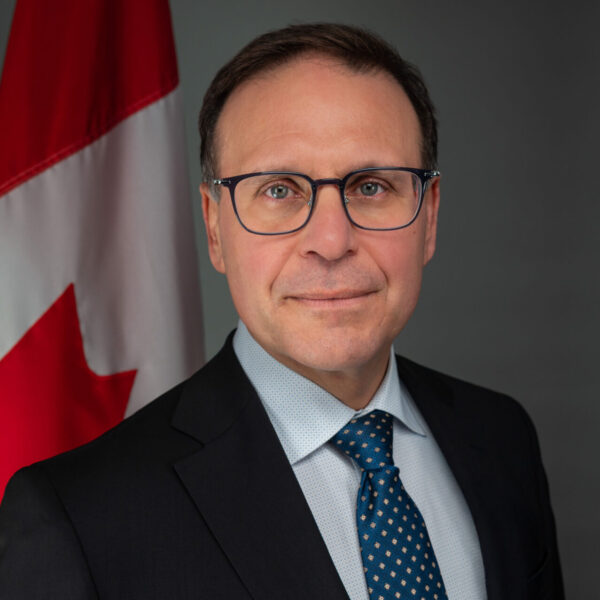
The Honourable Leo Housakos
Keynote Address
Senator, Quebec
The Honourable Leo Housakos is the Leader of the Opposition in the Senate. He has served in the Senate of Canada since 2009. A dedicated advocate for the neurodivergent community, he is the architect of Bill S-203, the Federal Framework on Autism Spectrum Disorder Act, which received Royal Assent in 2023. This landmark legislation mandates a national strategy to support the diverse needs of autistic Canadians throughout their lives. Beyond his legislative work, Senator Housakos has spent years fundraising for organizations like Giant Steps, championing inclusive education and long-term support systems.
-
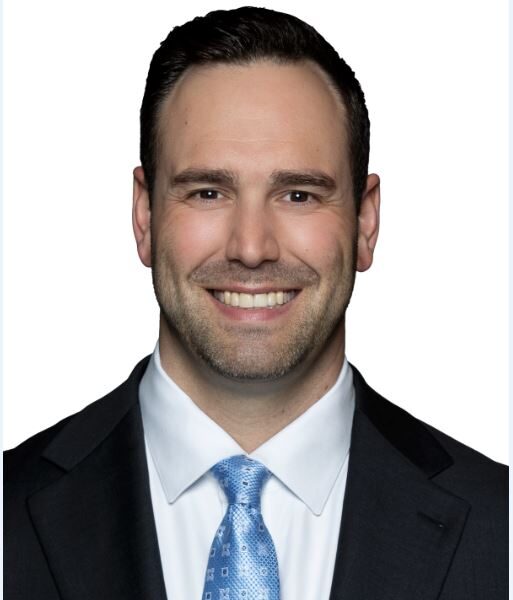
As a lifelong resident of Winnipeg South Centre, coach, educator and volunteer, Ben Carr is a fierce advocate for his community and passionate about advancing truth and reconciliation, tackling mental health and addiction issues, and making progress on addressing the climate crisis.
-
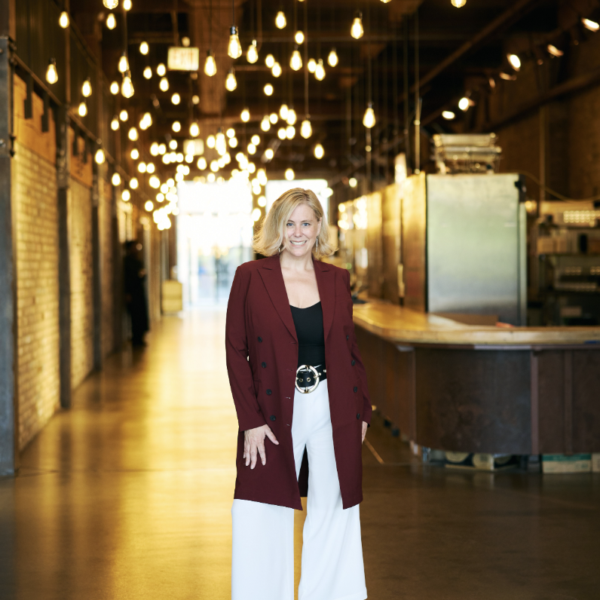
Tara May is a leader in the movement for neurodiversity in the workplace. She is CEO of Aspiritech, a revolutionary tech company that employs more than 100 autistic adults representing more than 90% of its team. Tara is co-director of Neurowrx and a member of the strategic committee for HAAPE, or Helping Adults with Autism Perform and Excel, advocating for neurodiversity and employment both nationally and internationally and is a renowned speaker championing embracing neurodiversity, mental health, and most of all kindness, in the workplace.
-
Erica and Ian Hayes are a father and daughter team building technology that helps people communicate online with confidence. They are the co-founders of UniquelyND.
Erica was diagnosed with ADHD and autism in her early twenties after years of anxiety that no one could fully explain. After her diagnosis, we finally understood what had been going on for years. A huge part of the stress was digital communication. Texts. Email. Group chats. Social media. She would read a message ten times trying to figure out the tone. Write a response. Rewrite it. Delete it. Start again. Sometimes she would just walk away from the conversation completely because it felt safer.
She asked a simple question: what if there was a tool that helped you think it through before you hit send? That question became LINA, the Language Insights and Nuance Analyzer.
Ian has spent decades building software, leading product teams, and turning ideas into working systems. His role has been to make the technology reach up to meet Erica’s vision. Together they are building tools that interpret tone and intent, reduce response anxiety, and help people develop their own voice instead of replacing it.
For them, What’s Possible Now is simple: technology that strengthens confidence, supports autonomy, and allows more people to participate fully online without fear.
-
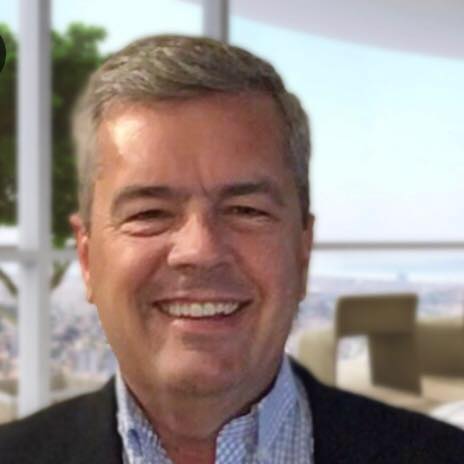
Erica and Ian Hayes are a father and daughter team building technology that helps people communicate online with confidence. They are the co-founders of UniquelyND.
Erica was diagnosed with ADHD and autism in her early twenties after years of anxiety that no one could fully explain. After her diagnosis, we finally understood what had been going on for years. A huge part of the stress was digital communication. Texts. Email. Group chats. Social media. She would read a message ten times trying to figure out the tone. Write a response. Rewrite it. Delete it. Start again. Sometimes she would just walk away from the conversation completely because it felt safer.
She asked a simple question: what if there was a tool that helped you think it through before you hit send? That question became LINA, the Language Insights and Nuance Analyzer.
Ian has spent decades building software, leading product teams, and turning ideas into working systems. His role has been to make the technology reach up to meet Erica’s vision. Together they are building tools that interpret tone and intent, reduce response anxiety, and help people develop their own voice instead of replacing it.
For them, What’s Possible Now is simple: technology that strengthens confidence, supports autonomy, and allows more people to participate fully online without fear.
-
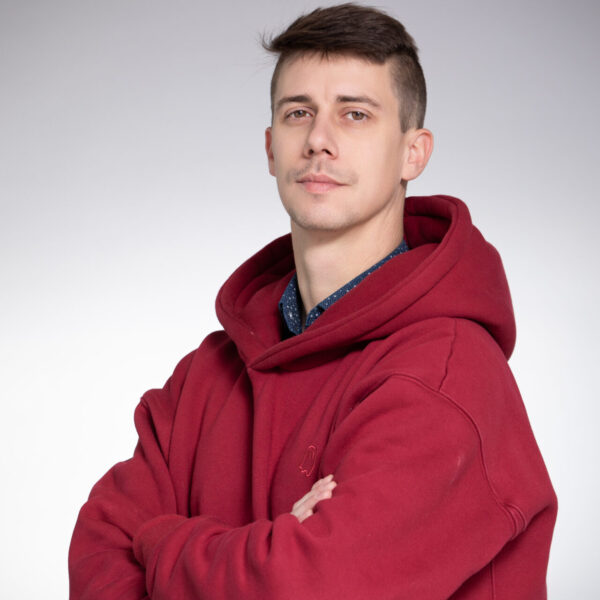
Jonathan Dubuc is a late-diagnosed autistic and neurodivergent entrepreneur, speaker, and founder of dvrgntAI. After years of navigating life without understanding his own neurotype, Jonathan turned his lived experience into innovation, building AI-powered, gamified tools that aim to improve access to mental health assessment and support. With a background in digital transformation and technology consulting, he bridges personal insight with systems thinking. At the Canadian Autism Leadership Summit, Jonathan shares both his diagnostic journey and his mission to empower neurodivergent individuals through technology, advocacy, and inclusive design.
-

Maxwell oversees operations across all of Aspiritech’s program lines, including software quality assurance, accessibility, and data services. Previously a program manager for Aspiritech’s multi-million dollar Audio Program—with a focus on new development—he has excelled at expanding product lines and coaching team members. Maxwell is a people-first leader who believes in putting his team in a position to succeed in what’s best for them, the client, and the organization. Maxwell also has a prolific history in sales and marketing. He is passionate about movies and music, making him the perfect person to have an attention to detail in the sound space. He is a sought-after speaker and advocate for people with disabilities. He has several family members with disabilities, including schizophrenia and multiple sclerosis. He is also a graduate of Johnson & Johnson’s Leadership Development Program.
-
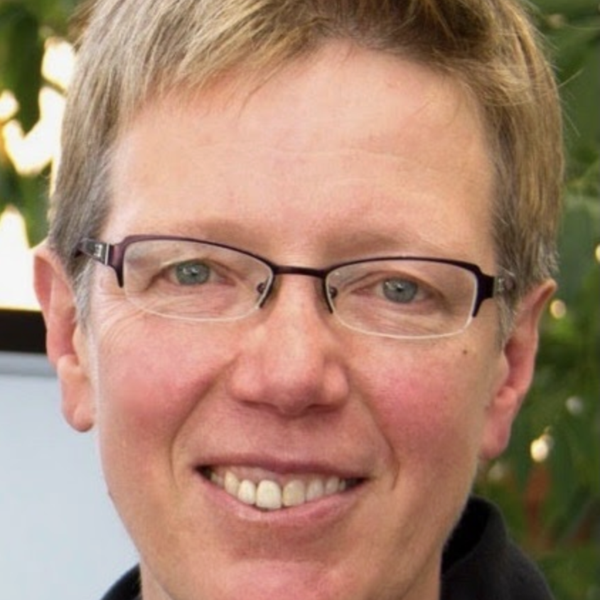
Dr. Jutta Treviranus
AI and Autism Symposium
Director and Founder, Inclusive Design Research Centre and Professor, Faculty of Design, OCAD University
LinkedInJutta Treviranus is the Director of the Inclusive Design Research Centre (IDRC) and professor in the faculty of Design at OCAD University in Toronto (http://idrc.ocadu.ca ). She established the IDRC in 1993 as the nexus of a growing global community that proactively works to ensure that our digitally transformed and globally connected society is designed inclusively. Dr. Treviranus also founded an innovative graduate program in inclusive design at OCAD University. Jutta is credited with developing an inclusive co-design methodology that has been adopted by large enterprise companies as well as public sector organizations internationally. Jutta has coordinated many research networks with and by people with disabilities. Jutta was recognized for her work in AI by Women in AI with the AI for Good – DEI AI Leader of the Year award as well as by Women in AI Ethics. She is the chair of the Accessible and Equitable Artificial Intelligence standards committee for the Accessible Canada Act.
-
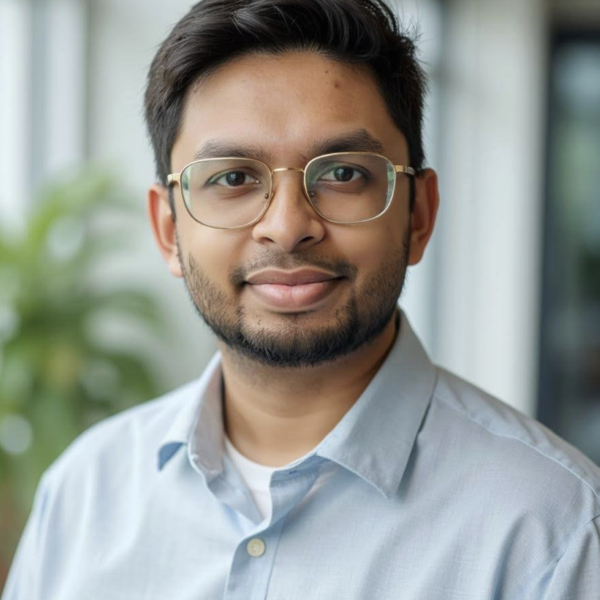
Dr. Rageen Rajendram, MD, MSc, is a Developmental Pediatrician at Holland Bloorview Kids Rehabilitation Hospital and Assistant Professor in the Department of Paediatrics at the University of Toronto. His research focuses on applying artificial intelligence and machine learning to improve neurodevelopmental care pathways, including AI-driven diagnostic triage for autism and predictive modeling in rare neuromuscular conditions. He is also Co-Founder and Chief Medical Officer of NeuroAI Inc., where he leads the development of BRIDGES — an integrated digital health platform connecting caregivers, clinicians, and AI coaching to reduce waitlist burden and improve continuity of care for Canadian families.
-
With 15+ years of experience in digital strategy, Clara Maître leads the AI for Humanity Studio at Mila. She focuses on moving AI from theory to action by leading high-impact social projects. Her work centers on fostering collaboration between research and society to develop AI tools that are truly useful, inclusive, and grounded in real-world needs.
-
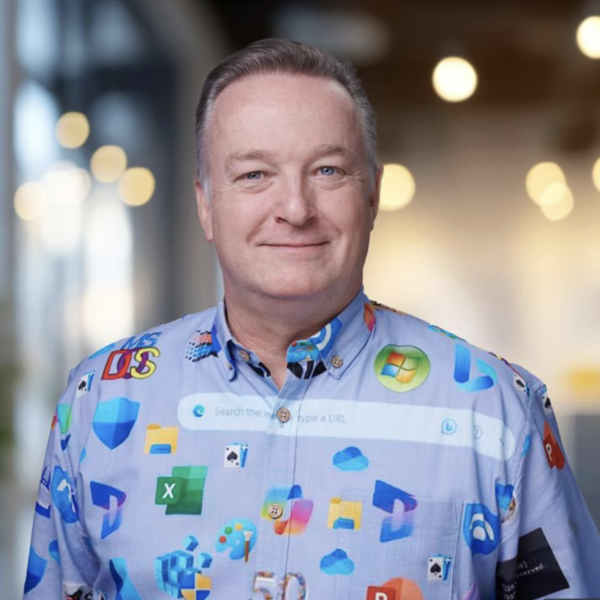
John Weigelt leads Microsoft Canada’s strategic policy and technology efforts. He helps individuals and organizations across Canada innovate with technology while avoiding the unintended consequences that might arise.
John has contributed to many technological efforts that established the foundation for the electronic services we take for granted today and he continues to lead efforts to evolve technology standards and policy. His extensive experience in technology, business and policy provides him with a unique perspective of our technology enabled economy.
-
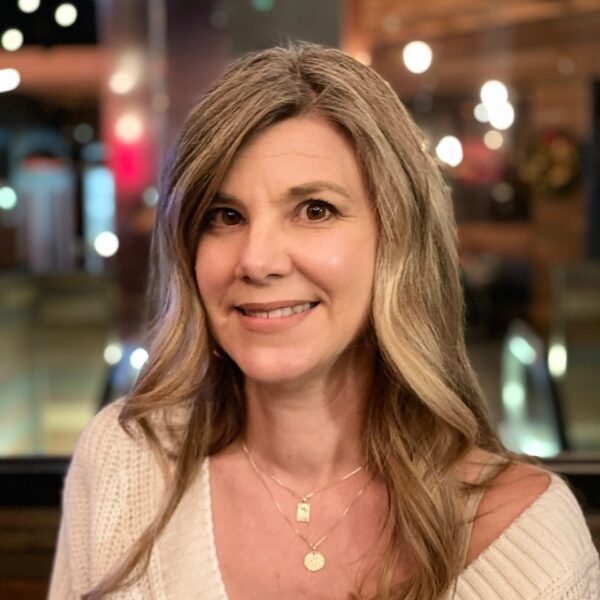
Catherine des Rivières-Pigeon
AI and Autism Symposium
Professor, Department of Sociology,, Université du Québec à Montréal
Catherine des Rivières-Pigeon, PhD, is a Professor in the Department of Sociology at Université du Québec à Montréal (UQAM). Her research focuses on the social dimensions of health and for over 15 years, she has led major studies on autism inclusion and the domestic and caregiving work carried out by families.
-
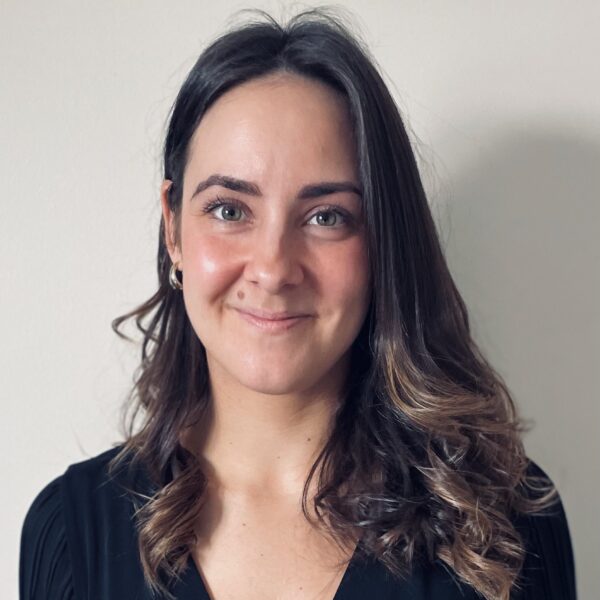
Bianka Corbin
AI and Autism Symposium
Researcher, Social Inclusion Research Team in Autism, Université du Québec à Montréal
LinkedInBianka Corbin is a Researcher with the Social Inclusion Research Team in Autism (ÉRISA) at Université du Québec à Montréal. Over the past few years, she has coordinated research projects examining the unpaid caregiving and domestic work carried out by families of autistic young adults, as well as the administrative burden associated with applying for financial support.
-
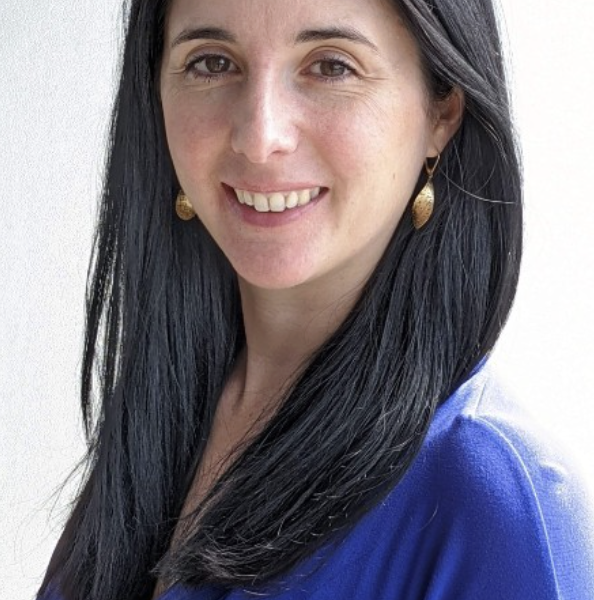
Olivia Neal is Director of Government Strategy in Microsoft’s Worldwide Public Sector team. In this capacity, she works with teams in Canada and across the Americas, as well as around the world, to help governments to use AI and digital tools to be more effective. As the founder of Microsoft’s Public Sector Center of Expertise, and former host of the ‘Public Sector Future’ podcast, she has built government ambition, confidence and capability in digital transformation.
Prior to joining Microsoft in 2020, Olivia spent her career in the public sector, leading digital change initiatives in the Government of Canada and in the UK Government.
-
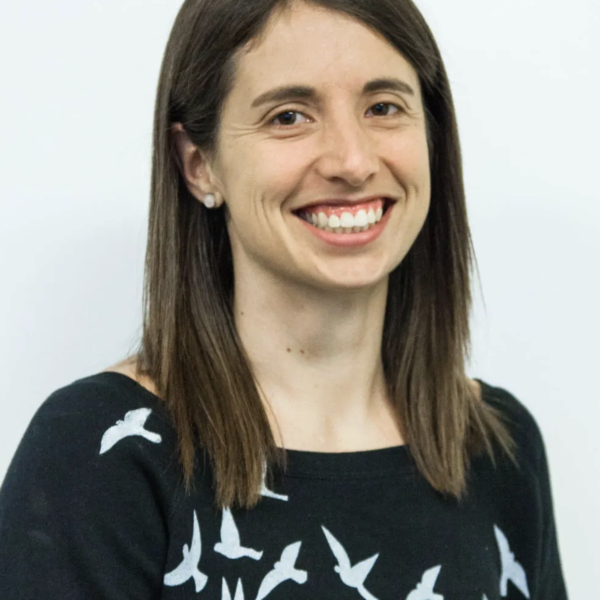
Stephanie Jull
Panel 1: Beyond One-Size-Fits-All: Needs-Based Care,Identity, and the Future of Support Systems; Panel 5: Moving the Needle Toward Neuro-Affirming Mental Health Care and Well-Being
VP of Programs & Training , Canucks Autism Network
LinkedInStephanie Jull, PhD, is the VP of Programs & Training at Canucks Autism Network. In her role she oversees a large team of staff who deliver programming to over 10 000 Autistic individuals in BC each year. The training department develops and delivers both live and online courses for thousands of community members on an annual basis. She is also mom to two amazing kids on the autism spectrum.
-
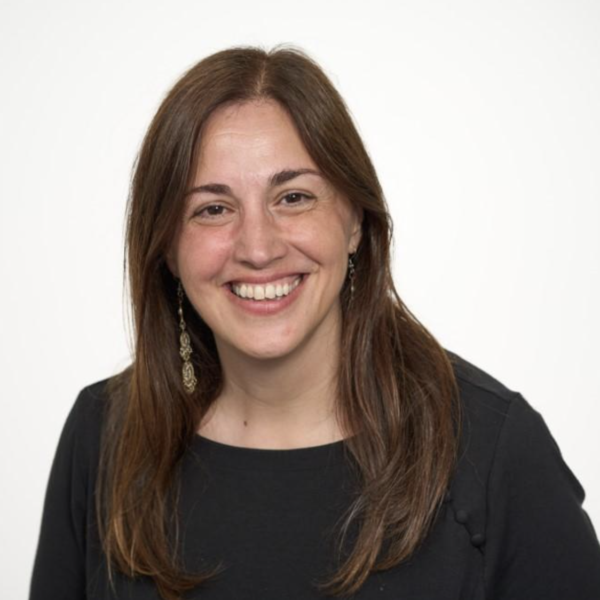
Dr. Evdokia Anagnostou
Panel 1: Beyond One-Size-Fits-All: Needs-Based Care, Identity, and the Future of Support Systems
Child Neurologist; Vice President of Research and Director of the Bloorview Research Institute, Professor, Temerty Faculty of Medicine, Department of Pediatrics, University of Toronto, Holland Bloorview Kids Rehabilitation Hospital
LinkedInDr. Evdokia Anagnostou is Vice President of Research at Holland Bloorview Kids Rehabilitation Hospital and Director of the Bloorview Research Institute. A Child Neurologist and Professor of Pediatrics at the University of Toronto, she co-leads the Autism Research Centre at Holland Bloorview. Her research focuses on understanding the biology of autism and related neurodevelopmental differences to inform novel interventions and health-system innovations. She holds the Dr. Stuart D. Sims Chair in Autism and is a Fellow of the Canadian Academy of Health Sciences.
-
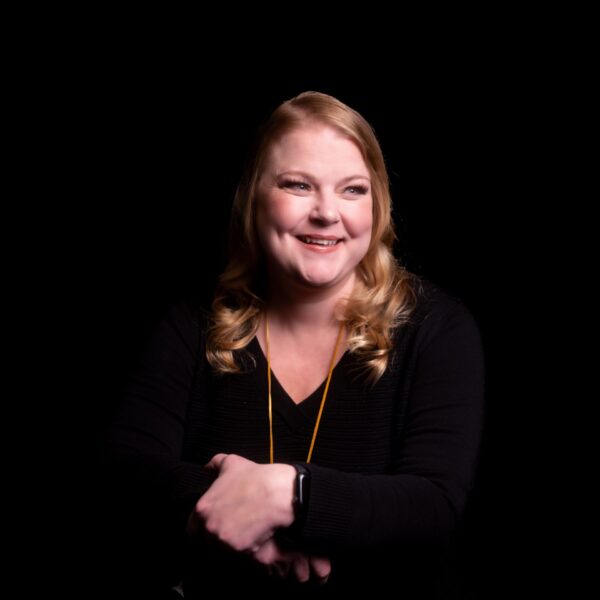
Allison Balfour
Panel 2: Rethinking System Navigation
Neurodivergent and Autistic Accessibility Consultant / Facilitator, Len Pierre Consulting
LinkedInAllison is a non-Indigenous settler of Irish descent on the unceded territories of the Semiahmoo, Kwantlen, and Katzie Nations. She is a Neurodivergent parent of Neurodivergent Indigenous and Autistic children. At Len Pierre Consulting, she works with families, educators, and systems to foster trauma- and equity-informed, Neuro-affirming practices grounded in relationships. Her background in inclusive education includes collaborating with multidisciplinary teams in Surrey Schools through the District Action Team for Autism and providing training and consulting across British Columbia.
-
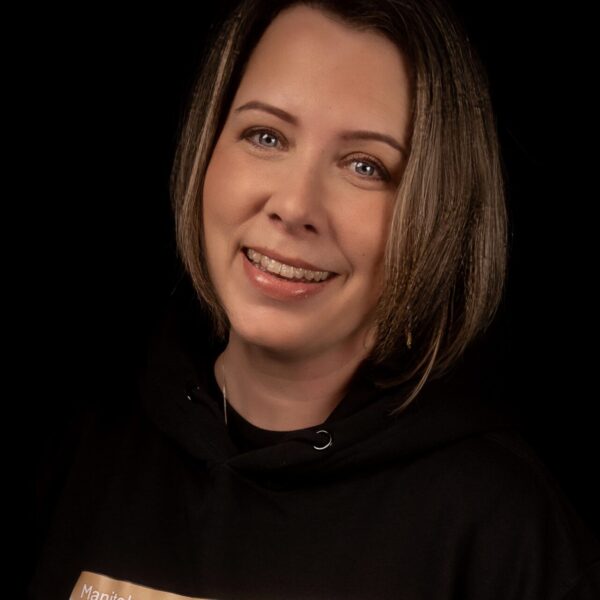
Lise Gillies
Panel 2: Rethinking System Navigation
Consultant / Facilitator, Len Pierre Consulting
LinkedInLise Gillies is Cree/Métis and of mixed European settler ancestry, living as an uninvited guest on the unceded territory of the Quw’utsun’ Peoples on Vancouver Island. A neurodivergent mom of an amazing autistic daughter, Lise spent a decade working in Inclusive Education and Indigenous Child & Youth Care before becoming a consultant, facilitator, and visual artist. She now supports organizations across sectors to embed cultural safety through trauma- and equity-informed education and practice.
-
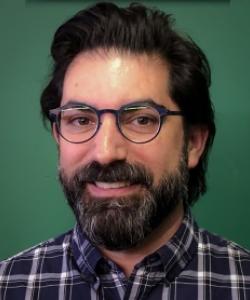
Ian Roth
Panel 2: Rethinking System Navigation
Speech-Language Pathologist, Holland Bloorview Kids Rehabilitation Hospital
LinkedInIan Roth is a speech-language pathologist (SLP) who has worked with autistic children and their families for over 25 years. In addition to clinical work at Holland Bloorview Kids Rehabilitation Hospital and private practice, Ian has worked in autism research and clinical education. He is a trainer for the Social ABCs and was a Program Instructor for More Than Words through The Hanen Centre for more than 10 years. Ian is an adjunct lecturer in the Department of Speech-Language Pathology at the University of Toronto, and is Interim Clinical Placement Coordinator for the current academic year.
-
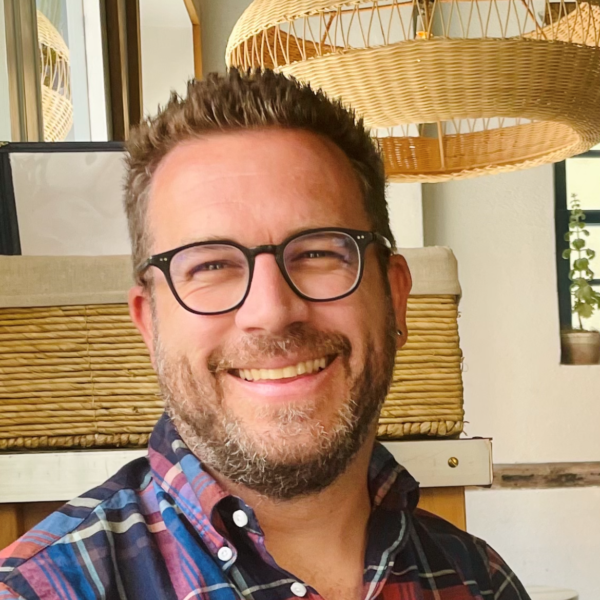
Josh Scroggy
Panel 2: Rethinking System Navigation
Clinical Operations Manager, Holland Bloorview Kids Rehabilitation Hospital
Josh Scroggy is a clinical operations manager at Holland Bloorview Kids Rehabilitation in Toronto with an interest in Autistic children and their families. Josh has experience working with children and youth diagnosed with autism as a behaviour therapist at Geneva Centre for autism and Surrey Place in Toronto. Josh has also worked at Cancer Care Ontario as the team lead for patient engagement. Josh has Masters’ degrees in both Social Work and Health Science from the University of Toronto.
-
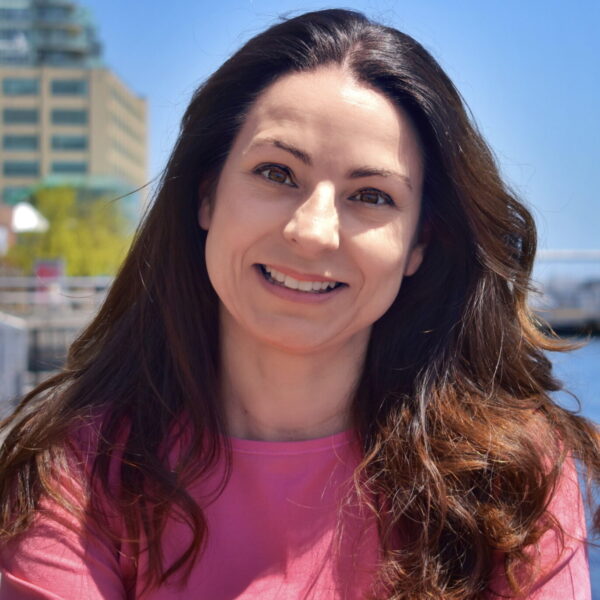
Monica Halsey
Panel 2: Rethinking System Navigation
Family Leader, Holland Bloorview Kids Rehabilitation Hospital
LinkedInMonica is a lived experience educator and advocate. She is the mother of two neurodivergent sons and has spent over a decade advancing family-centred care at Holland Bloorview . Monica has been involved in the redesign of the autism diagnostic process. She also co-designed and co-facilitates a peer support group for caregivers awaiting autism assessments for their children and co-teaches the Family as Faculty Training Course. Monica is an ambassador for the International Society for Patient Engagement Professionals (ISPEP) and is completing a Doctorate of Education with a focus on neurodiversity, inclusive education, and system redesign.
-
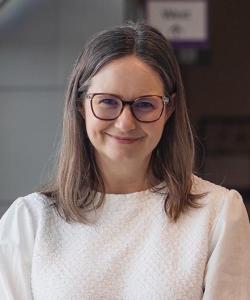
Dr. Melanie Penner
Panel 2: Rethinking System Navigation
Developmental Pediatrician & Senior Clinician Scientist, Autism Research Centre, Holland Bloorview Kids Rehabilitation Hospital
LinkedInDr. Melanie Penner is a developmental pediatrician at Holland Bloorview Kids Rehabilitation Hospital and a senior clinician scientist at the Autism Research Centre in the Bloorview Research Institute. She is the Bloorview Children’s Hospital Foundation Research Chair in Developmental Pediatrics. Dr. Penner works as a developmental pediatrician performing developmental assessments, diagnosing persons on the autism spectrum, and managing psychopharmacological treatment in children with complex behavioural challenges. Her research interests are in expanding and enhancing the care provided to Autistic children and their families in the community.
-
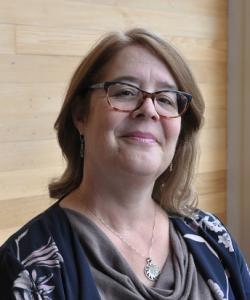
Dr. Jessica Brian
Panel 2: Rethinking System Navigation
Psychologist and Senior Clinician Scientist & Associate Professor, University of Toronto , Holland Bloorview Kids Rehabilitation Hospital
LinkedInDr. Jessica Brian is a psychologist, senior clinician scientist, co-lead of the Autism Research Centre at Holland Bloorview and associate professor at the University of Toronto in the Department of Paediatrics. Jessica has been deeply involved in a range of multi-site research programs aimed at understanding the emergence of Autistic persons , the behavioural phenotype, and genetic markers of autism and related Concurrent conditions. For over a decade, Dr. Brian has been involved in the Canadian Infant Siblings Study and is a member of the international Baby Siblings Research Consortium. Dr. Brian co-developed and led the evaluation of Social ABCs, a very early parent-mediated intervention for infants and toddlers with emerging autism or related social-communication challenges.
-
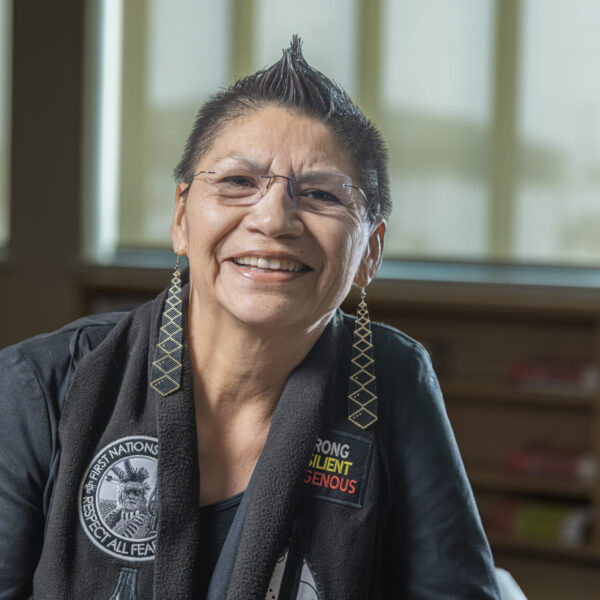
Sarah Johnson
Panel 3: Equity as Infrastructure: Community-Driven Autism System Design
Education Director, North Caribou Lake School
Sarah Johnson is Education Director from North Caribou Lake First Nation also known as Round Lake and Weagamow Lake. Sarah speaks fluently and writes in Anishininiimowin. Sarah’s lifelong passion in Anishininiimowin strives from the teaching of her Elders who raised her as an orphan. After many years of teaching, she has obtained several positions in various Indigenous organizations in the Sioux Lookout region. Sarah has contributed in developing language apps, videos, syllabic keyboards, Elder and youth gatherings to promote Anishininiiwi revitalization. She enjoys her role in supporting students, teachers, and building community connections. Her motto to this day is “Do not underestimate the use of your language as it defines you who you are.”
-
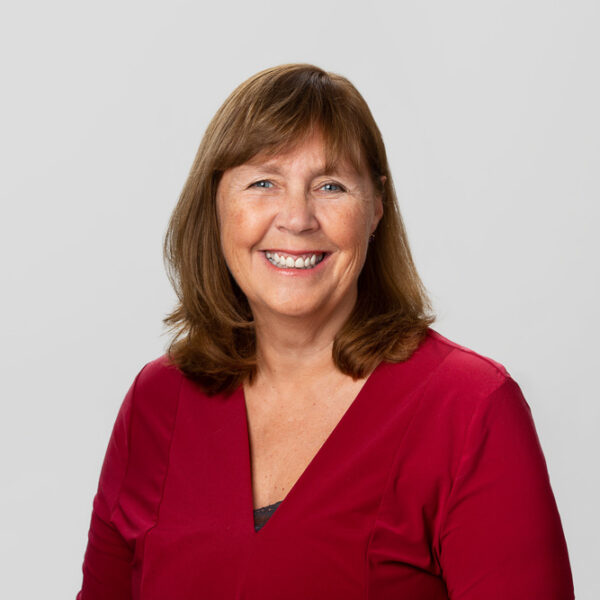
Terri Hewitt
Panel 3: Equity as Infrastructure: Community-Driven Autism System Design
Chief Executive Director, Surrey Place
LinkedInTerri Hewitt is a passionate advocate for neurodiverse communities and the Chief Executive Officer of Surrey Place. With more than 40 years as a registered psychologist specializing in developmental, clinical, and autism psychology, Terri has dedicated her career to helping individuals with developmental disabilities and on the autism spectrum live healthy, socially connected lives. Known for her ability to build innovative programs and forge strong partnerships, she has transformed service delivery to close critical gaps and create inclusive opportunities. Terri’s leadership reflects a deep commitment to empowering individuals and families, ensuring that every person has the chance to thrive.
-
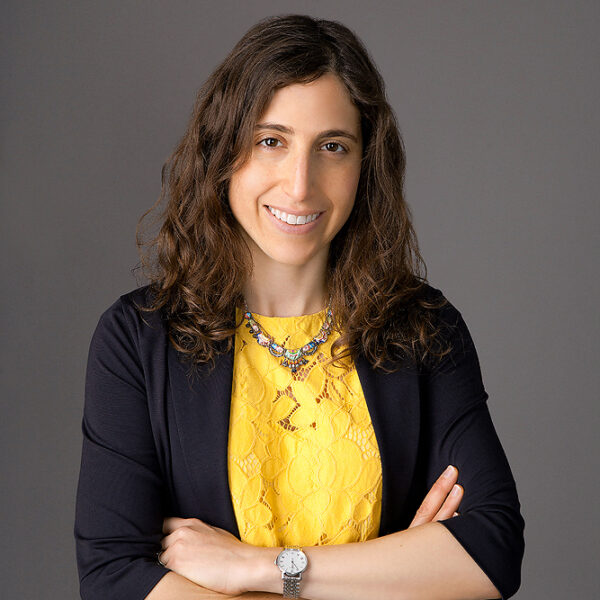
Dori Zener
Panel 5: Moving the Needle Toward Neuro-Affirming Mental Health Care and Well-Being
Director , Dori Zener & Associates
LinkedInDori Zener is a Registered Social Worker, speaker, and educator dedicated to advancing neurodiversity-affirming mental health for autistic people across the lifespan. She empowers neurodivergent individuals to build self-awareness, self-compassion, and thrive authentically. Dori provides professional training grounded in her INVEST model, a practical neuro-affirming framework for counselling, and is committed to advancing autism acceptance through education, research, and consultation.
-
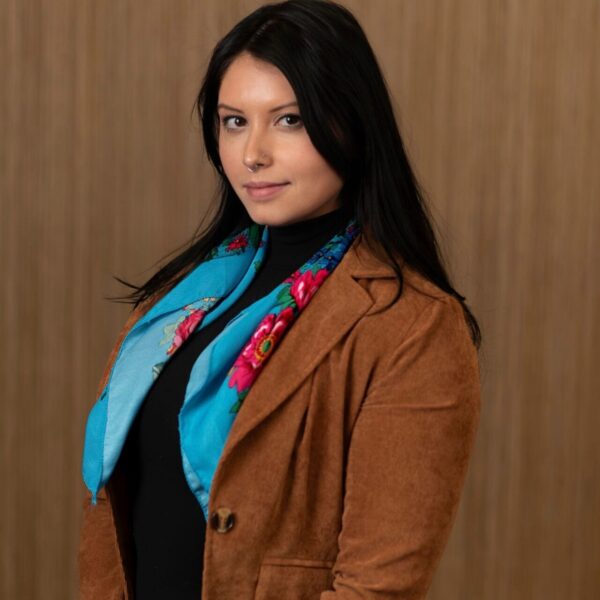
Dr. Nicole Ineese-Nash
Panel 4: Education Futures: Supporting Autistic Learners Beyond the Now
Assistant Professor, School of Child and Youth Care and School of Early Childhood Studies & Researcher , Toronto Metropolitan University
Dr. Nicole Ineese-Nash (she/her) is a mixed (Mushkego Cree / FrenchCanadian) researcher, educator, and community worker. She is a registered member of Constance Lake First Nation and was born and raised in Tkaronto, where she lives and works. As an Assistant Professor at Toronto Metropolitan University, her research focuses on Indigenous approaches to disability justice, mental health, education, and systems transformation using participatory and decolonial approaches. She is also the founding Executive Director of Finding Our Power Together, an Indigenous-led national organization committed to ending preventable death by suicide in Indigenous communities.
-
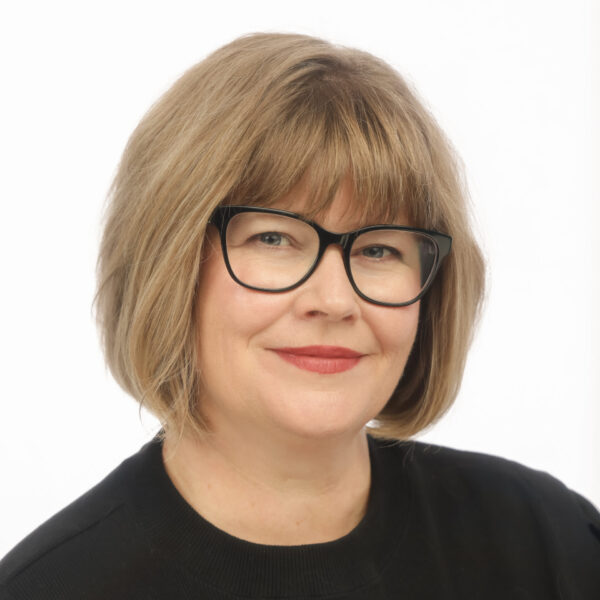
Andrea Cameron
Panel 4: Education Futures: Supporting Autistic Learners Beyond the Now
Executive Director of Inclusive Education, Anglophone, Inclusive Education
As Executive Director of Inclusive Education Initiatives for Inclusion Canada, Andrea works with families, teachers, administrators, and associates across Canada to strengthen schools through inclusive practices. She brings both professional expertise, including more than 27 years of teaching experience, and lived experience to her leadership, guided by the conviction that all children deserve to learn and grow alongside their peers. Andrea believes inclusion is not only vital for strong schools, but also foundational to building just, resilient, and thriving communities.
-
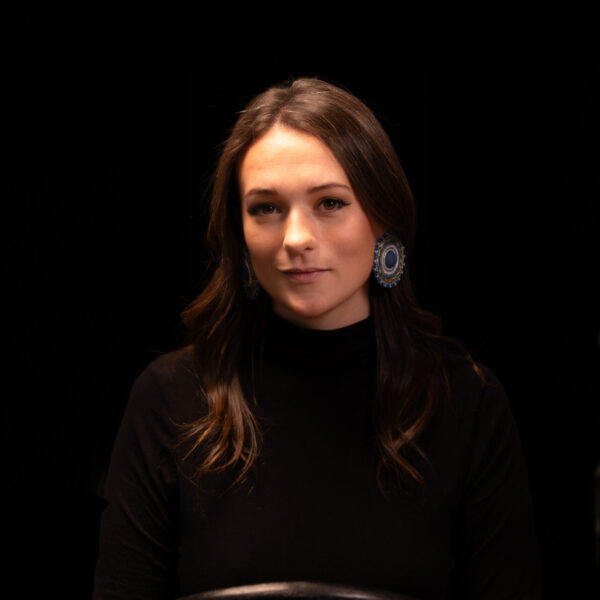
Marissa McIntyre
Panel 2: Rethinking System Navigation
Facilitator/Consultant, Len Pierre Consulting
Marissa is a mixed settler and First Nations woman of the Nlaka’pamux Nation, born and raised on the unceded territories of the Kwantlen, Katzie, Semiahmoo, Kwikwetlem, Tsawwassen, and Qayqayt. She brings frontline experience supporting urban Indigenous youth through her previous work with the Fraser Region Aboriginal Friendship Centre Association (FRAFCA), where she contributed to culturally grounded, community-based supports focused on safety, advocacy, and connection. As an educator, she facilitates Indigenous Cultural Safety and decolonization training, working to reduce systemic fragmentation and strengthen culturally safe, relationship-based supports for Indigenous and neurodivergent individuals and families.
-
Pauline Martin is Director, Government Industry Advisory for the Americas region of Microsoft’s Worldwide Public Sector organization. She works on the most compelling challenges in the Canadian Public Sector market with customers and partners, while influencing Microsoft’s global industry strategy and sharing lessons learned from around the world. Her team bridges the gap between government transformation opportunities and the emerging technology solution ecosystem to deliver results.
-
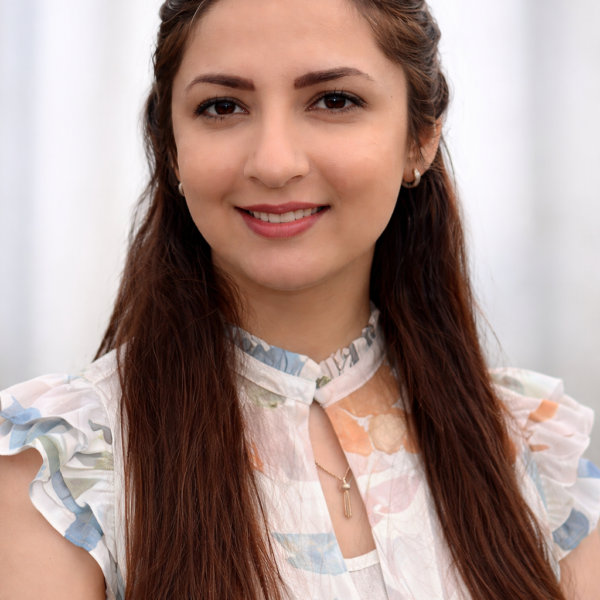
Dr. Behnaz Bahmei
AI and Autism Symposium
Researcher
Behnaz Bahmei is a machine learning researcher working at the intersection of artificial intelligence, audio analysis, and assistive technologies. Her research focuses on developing AI tools for sound management, particularly to support people with sound sensitivity and neurodiverse populations. She is passionate about translating technical research into practical, accessible solutions that improve daily life and foster more inclusive environments.
-
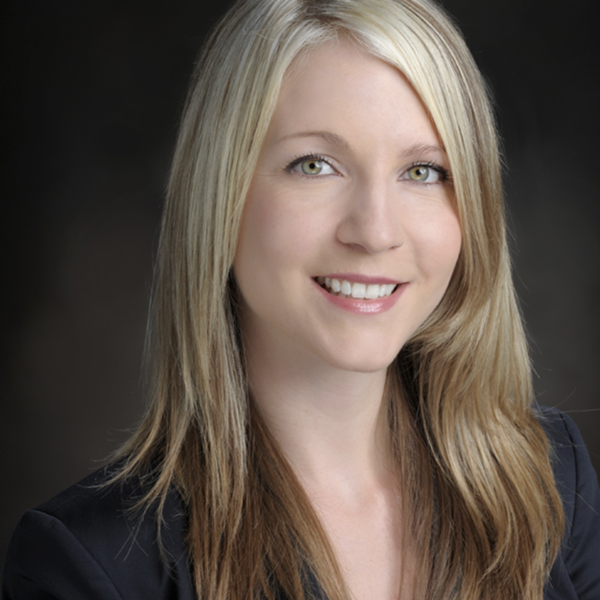
Dr. Elina Birmingham
AI and Autism Symposium
Associate Professor, Director, Autism in Education Lab – Faculty of Education, Simon Fraser University
Dr. Elina Birmingham is an Associate Professor at Simon Fraser University. She holds a BSc from the University of British Columbia, an MA from the University of Toronto, and a PhD from UBC, with postdoctoral training at Caltech and SFU. Her interdisciplinary work spans psychology, neuroscience, and AI, focusing on sensory processing and developing innovative technologies to support inclusion for neurodivergent individuals.
-
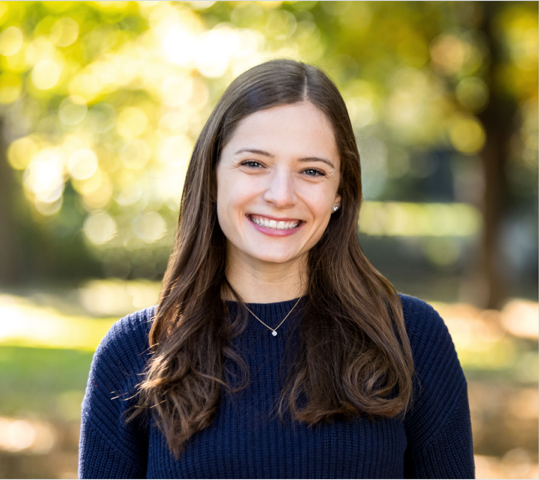
Maya Albin
Lightning Round Presentations
Autism Alliance of Canada Data to Policy Fellows
Maya is a speech-language pathologist and PhD student in the School of Rehabilitation Science at McMaster University under the supervision of Dr. Michelle Phoenix. Maya continues to practice clinically across a wide variety of settings, and focuses a large part of her clinical practice on providing neurodiversity-affirming services for autistic youth. Maya also enjoys teaching students as an Assistant Clinical Professor (Adjunct) in the SLP program at McMaster.
Maya’s data-to-policy-fellowship research applies co-design and qualitative methods to co-create improved social communication services for autistic youth. Maya is broadly interested in research that advances client and family-centred SLP services for autistic people and people with intellectual and developmental disabilities (IDD). Maya’s research is funded by a SSHRC Canada Graduate Scholarship Doctoral Award the Autism Alliance of Canada Data-to-Policy Fellowship.
-
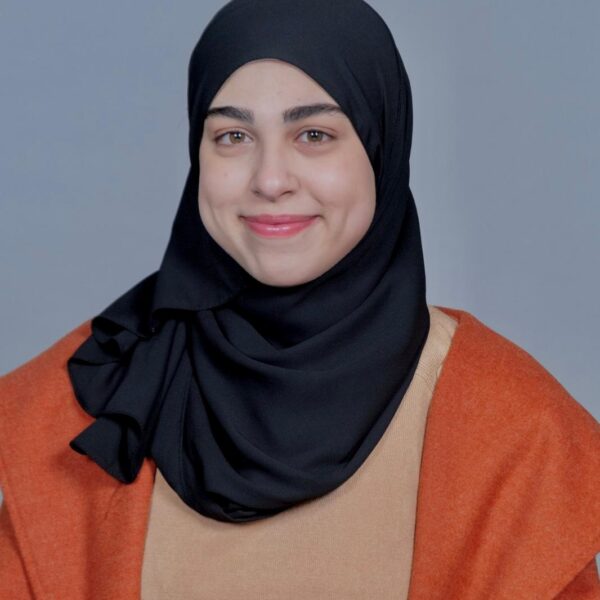
Marwa Alkhalaf
Lightning Round Presentations
Autism Alliance of Canada Data to Policy Fellows
Marwa is a second-year Master of Science student in Neuroscience at Carleton University and a research assistant at the Children’s Hospital of Eastern Ontario (CHEO). She holds a Bachelor of Science in Integrative Neuroscience from Ontario Tech University, where she developed a strong foundation in neurophysiology and sensory-motor research.
As a Data-to-Policy Fellow with the Autism Alliance of Canada, Marwa is contributing to a collaborative research project within CHEO’s Extensive Needs Services (ENS) program, which aims to provide specialized interventions targeting children and youth exhibiting intricate neurodevelopmental disorders, including autism spectrum disorder, and co-morbid conditions currently unmet by their communities. Marwa’s goal is to develop a desensitization protocol to increase EEG accessibility for children enrolled in the ENS program; her project investigates how exposure-based EEG protocols can be used to reduce sensory distress and improve neural accessibility for autistic children who face challenges with traditional EEG systems. Her work aims to co-develop inclusive neurotechnologies that reflect the lived experiences and sensory needs of autistic individuals.
Marwa is passionate about translational neuroscience, inclusive research practices, and bridging the gap between scientific evidence and policy development.
-
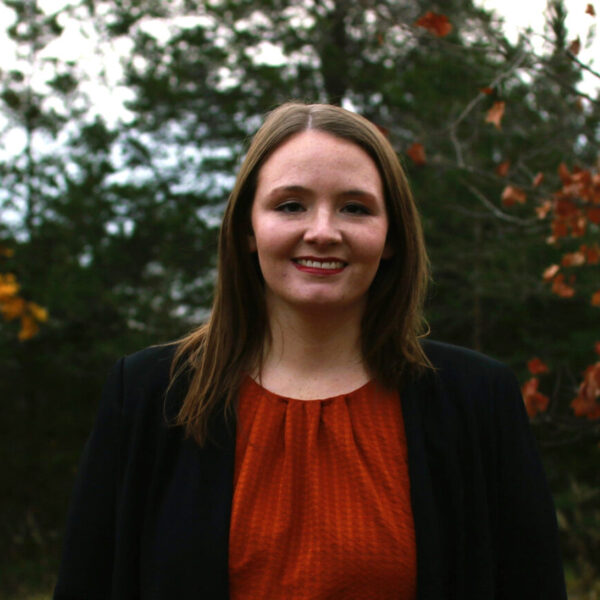
Haley Clark
Lightning Round Presentations
Autism Alliance of Canada Data to Policy Fellows
Haley Clark (she/her) is a PhD student in the Faculty of Education at Queen’s University. Her research focuses on lived experiences of systemic ableism and disability identity in education, particularly as this relates to Autism and ADHD. Haley’s background in the sociology of education and critical disability studies spurs her active involvement in inclusive education.
Haley is currently a Data to Policy Fellow with the Autism Alliance of Canada alongside the Re Storying Autism Collective. Haley completed her Bachelor of Arts (Criminal Justice and Public Policy with a minor in Family and Child Studies) and her Master of Arts in Sociology from the University of Guelph.Haley has presented at numerous regional and international conferences on ableism, language use, and disability identity. She is a published author in the area of mentorship and disability education.
-
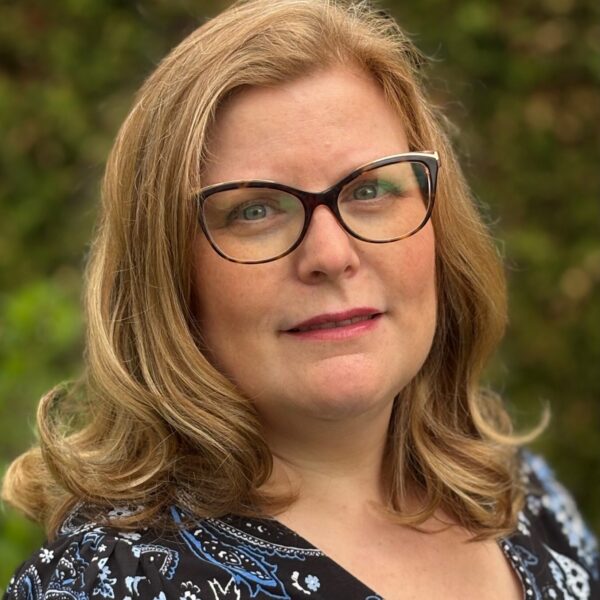
Jennifer Crookshank
Lightning Round Presentations, Panel 4: Education Futures: Supporting Autistic Learners Beyond the Now
Autism Alliance of Canada Data to Policy Fellows
Jennifer Crookshank is currently an M.A. student in the Department of Psychology at Carleton University, where she is a member of the Carleton Autism Research Lab under the supervision of Drs. Vivian Lee and Yan Liu. Her research is inspired by her experiences in the autism community and focuses on identifying child, family, and school-associated factors related to the emergence of school avoidance in young autistic children.
Jennifer holds a B.Sc. in Molecular Biology and Genetics from the University of Guelph, a B.Sc. in Psychology from Carleton University, and an M.Sc. in Laboratory Medicine and Pathobiology from the University of Toronto. This multidisciplinary academic background informs her approach to psychological and developmental research. Her academic and research excellence have been recognized through several competitive awards, including the Ontario Graduate Scholarship (2024–25), the Canada Graduate Scholarship – Master’s (2025–26), the Autism Scholar’s Award (2025-26), and the Data-2-Policy fellowship from the Autism Alliance of Canada (2025-26).
In addition to publishing and co-authoring over ten academic papers, Jennifer has presented her research at national and international conferences, including the Annual Convention of the Canadian Psychological Association and the Canadian Autism Leadership Summit. She hopes her work will help bridge the gap between research and practice to support inclusive, evidence-based education for autistic children and their families.
-

Nafiseh Kiamanesh
Lightning Round Presentations
Autism Alliance of Canada Data to Policy Fellows
Nafiseh Kiamanesh is a second-year MSc student in Community Health Sciences at the University of Manitoba and a Data to Policy Fellow with the Autism Alliance of Canada. Her project uses administrative data to examine physical health profiles of children with autism in Manitoba.
Her research interests include pharmacoepidemiology, developmental disabilities, and health services research. She is also completing a summer placement with Shared Health and works as a research assistant at St.Amant Research Centre.
Nafiseh is an internationally trained pharmacist with experience in community, hospital, and industrial settings, as well as digital health communications. She speaks Persian, English, and French.
-
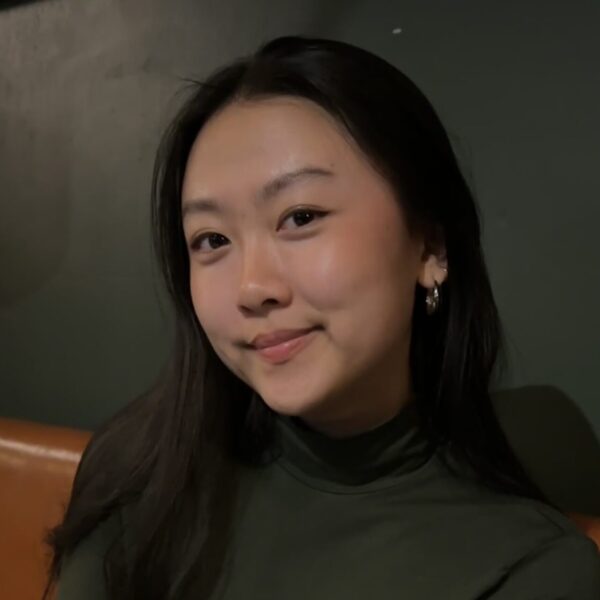
Saebom Park
Lightning Round Presentations
Autism Alliance of Canada Data to Policy Fellows
Saebom completed her HBSc in Integrated Science at McMaster University and is currently a MSc student at the Institute of Medical Science at the University of Toronto. Her research involves using an implementation science framework to explore community-based healthcare providers’ barriers and facilitators to delivering integrated, ongoing autism care. She is excited to further strengthen her project through the Data-to-Policy fellowship and explore how her work can make a meaningful contribution to the National Autism Strategy.
-
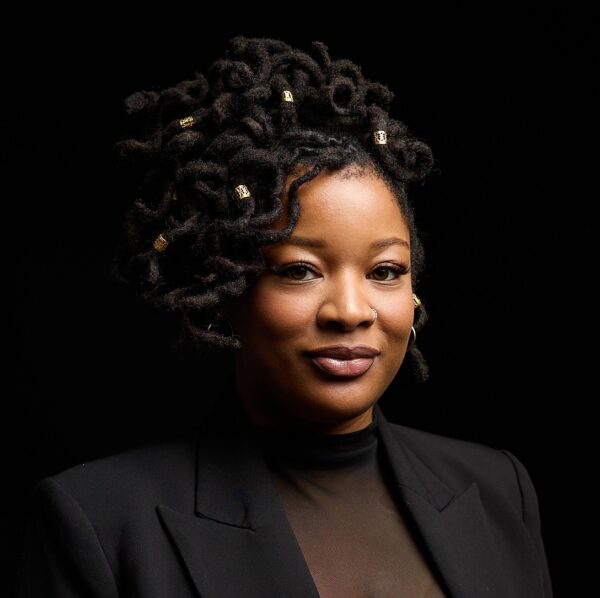
Tamara Angeline
Panel 3: Equity as Infrastructure: Community-Driven Autism System Design
Director of Black Community Initiatives, DAWN Canada
LinkedInTamara Angeline is an artist, community enthusiast, and social justice advocate of Caribbean descent. Above all, she is a daughter, a friend, and a compassionate helper who is called to support others in transforming their pain into strength. As the Director of Black Community Initiatives at DAWN Canada, she is dedicated to empowering marginalized groups and challenging systemic barriers, particularly in the context of gender-based violence.
-

Cyndi Gerlach
Fifth Annual Jim and Ginette Munson Autism Leadership Award Presenter
Vice Chair of Autism Alliance of Canada Board of Directors
LinkedInCyndi is a settler on the unceded territory of the Coast Salish people. Specifically, the Skwxwú7mesh (Squamish) and the səl̓ílwətaʔɬ (Tsleil-Waututh) Nations, also known as North Vancouver in British Columbia, where she currently resides with her husband and three grown children, two of whom are diagnosed autistic.
Cyndi has been a lifelong advocate since 1974, when her sister first started school, and she saw how her sister was treated. In 2001, Cyndi helped create a grassroots movement to advocate against cuts to services for children and adults with disabilities. With a strong desire to see change within the education system, Cyndi ran and was elected in 2011 to the North Vancouver School District Board of Education. Cyndi believes that change must come through policy; and to do that, one must have a seat at the table. Cyndi believes in giving back to organizations that hold the same values as she does, and in 2017, she was elected as a Board Director of Inclusion BC. Cyndi was appointed to a municipal committee, the North Shore Advisory Committee on Disability Issues, in 2023 and was recently elected Chair. Cyndi believes the entire continuum of the autism spectrum must be represented and wishes for a world that accepts people for who they are. Cyndi was diagnosed in 2020 at the age of 57 with Autism and believes in breaking down the stigma and the barriers faced every day by Autistic Canadians. Cyndi is humbled to work with like-minded Autistics, staff, and allies on the Autism Alliance of Canada’s Board of Directors to continue to support the vision of a National Autism Strategy in Canada.
-

Kimberley Ward, PhD
Fifth Annual Jim and Ginette Munson Autism Leadership Award Presenter
Co-Board Secretary of Autism Alliance of Canada Board of Directors
LinkedInKimberley Ward completed her Ph.D. in Clinical Psychology in 1995 at the University of Calgary. One of the requirements associated with her doctoral program was the completion of a one-year clinical internship at the Alberta Children’s Hospital. During her years in graduate school, her research focused specifically on the social-cognitive differences associated with autism. Kimberley became a Registered Psychologist in 1996 and joined the clinical team at Society for Autism Support and Services. After serving as the Clinical Director for nine years, she transitioned to the role of Executive Director in 2018. Society for Autism Support and Services provides an array of services to enhance lives across the Spectrum, including early intervention, out-of-home placements for complex youth, community consultation and life skills and employment supports for adolescents and adults. She has also worked with the Government of Alberta to develop a resource manual for teachers and draft recommendations for service delivery (i.e., A System of Care for Children with Autism: Expert Panel Report). Finally, as a Sessional Instructor Kimberley developed and taught a course that focused on “ASD across the Life Span” at the University of Calgary as part of Graduate Certificate program.
-
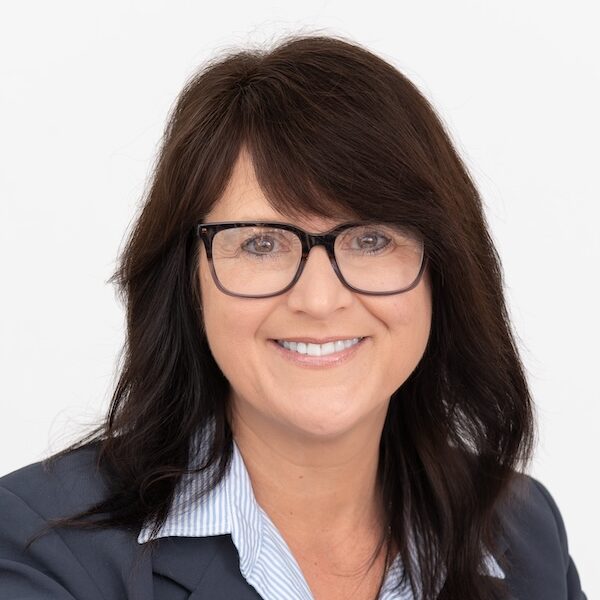
Dr. Karen Bopp
National Autism Network Update
Interim Chief Executive Officer, National Autism Network
Karen has dedicated over 30 years to supporting and working in partnership with Autistic and Neurodivergent people and their families. She holds an M.Sc. in Speech-Language Pathology and a PhD in Special Education from the University of British Columbia (UBC), where she also completed a postdoctoral fellowship in Medicine and Education. Her career spans frontline clinical work, policy leadership, and advocacy. Karen began her career as a Speech-Language Pathologist supporting children on the spectrum and their families. In her role with the B.C government, she led the development of autism policy, cross-ministry initiatives, and improvements to services and systems. At UBC, she created professional development programs for primary care providers, dental professionals, employers, and early childcare workers to enhance accessibility and inclusion. Most recently, she worked with the B.C.’s Representative for Children and Youth, where she engaged with self-advocates, families, and community organizations to inform government policy and drive systemic change. Karen is honoured to serve as Interim CEO of Canada’s National Autism Network.
-
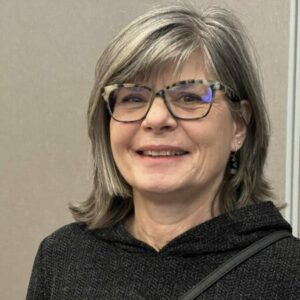
Anne Kresta
Moderator – Panel 5: Moving the Needle Toward Neuro-Affirming Mental Health Care and Well-Being
Co-Board Secretary, Autism Alliance of Canada Board of Directors
LinkedInAnne Kresta, MSc., is President/CEO of Level IT Up and Chair of Neurowrx (www.neurowrx.org), an international alliance of organizations and businesses dedicated to increasing the employment of Autistic persons in Science, Technology, Engineering and Math. Anne has worked for many years at the local, provincial, national, and international levels to develop and advance inclusive and diverse communities. This has included work in inclusive childcare, inclusive K-12 and post-secondary education and training opportunities, and workplace diversity. In her outreach work Anne highlights both the autism advantage and the many straightforward accommodations and strategies that can be implemented to create welcoming and empowering environments.
-
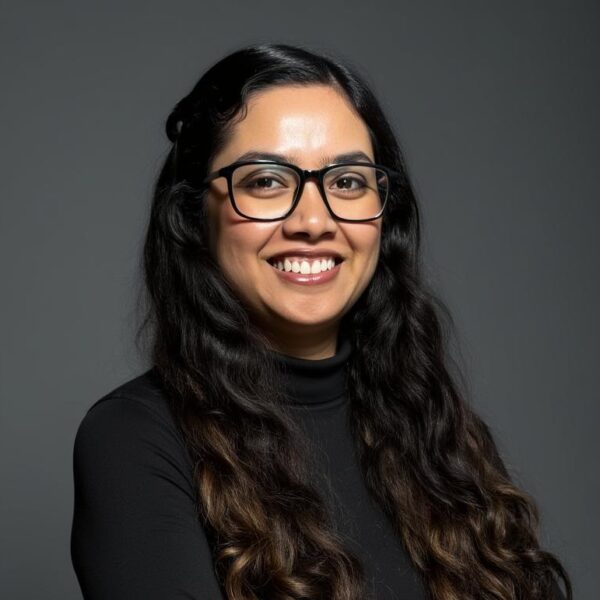
Fatima Karim is a doctoral candidate at Carleton University. Her research sits at the intersection of artificial intelligence, global health, and implementation science, with a focus on developing task-sharing approaches that advance Universal AI Design, ensuring neurodevelopmental diagnostic and therapeutic services are inclusive, frugal, and scalable across global contexts. Her doctoral work uses computer vision to predict adaptive function across neurodevelopmental conditions.
-
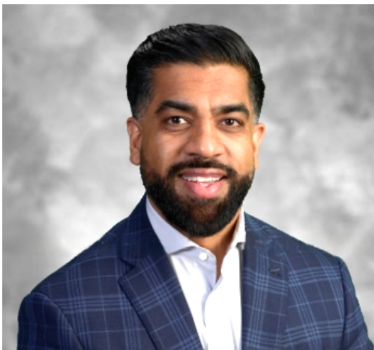
Sadi Khan is an award-winning client leader and IBM Certified Client Executive, dedicated to the success of his clients. Having joined IBM Canada in 2002, he brings over 22 years of client relationship management and technology advisory experience. Sadi has also led the Analytics Software Business Unit for IBM Canada for over 4 years, significantly growing IBM’s Cognitive and AI partnerships across the country. He takes pride in giving back to the community, having led diversity, equity & inclusion and employee charitable fund initiatives throughout IBM Canada.
-
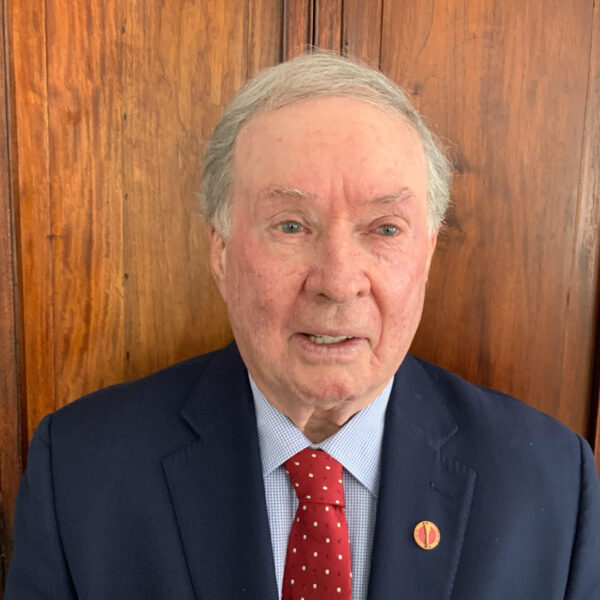
Former Senator Jim Munson
AI and Autism Symposium
Former Senator Jim Munson has been a longtime autism advocate. In 2007, he spearheaded a landmark Senate committee report, Pay Now or Pay Later: Autism Families in Crisis, which called for a National Autism Strategy. Munson also introduced a bill which became law in 2002 which officially recognizes April 2nd as World Autism Awareness Day. Each year, the Autism Alliance of Canada awards the Jim and Ginette Munson Autism Leadership award to an outstanding Canadian autistic self advocate.
-
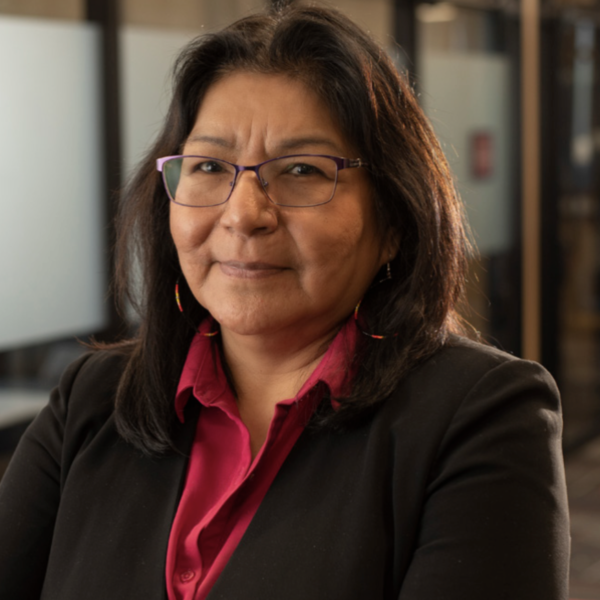
Deputy Grand Chief Anna Betty Achneepineskum
Opening Remarks
Anna Betty Achneepineskum is Anishinaabe-Mushkego from Marten Falls First Nation (Ogoki Post). Prior to being elected as the Deputy Grand Chief for Nishnawbe Aski Nation, she served on the Council for Marten Falls. She is currently in her third term as the Deputy Grand Chief. As a leader, and as a social justice advocate for many years, she has strived and committed to raising awareness of issues and challenges experienced by First Nations people, families, women, and children. Anna Betty is a person of action and a strong voice for transformative social change. Her life’s work and contributions are driven by a passion to help the most marginalized people, especially the people from the Nishnawbe Aski Nation territory. In whatever she does, she advocates for equitable access to justice and services, and for improving the quality of life, community wellness and safety for all NAN citizens. She currently resides in Thunder Bay and credits her children and grandchildren as the inspirations for her lifelong work, service, and advocacy.
-
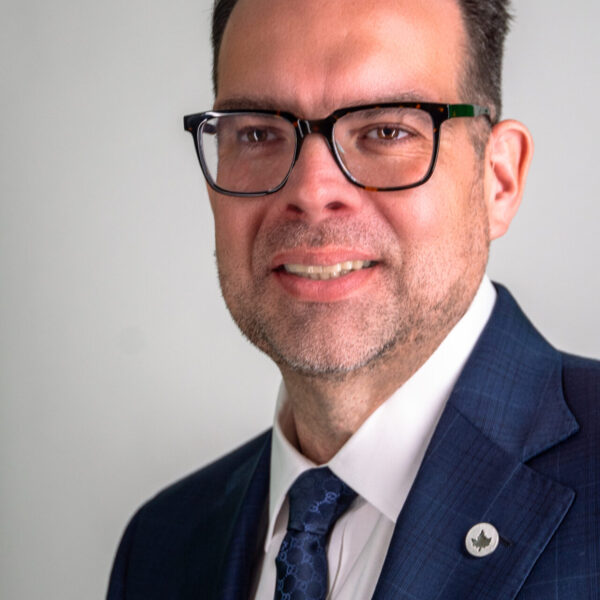
Christopher Sutton
Opening Remarks
Christopher T. Sutton was appointed Accessibility Commissioner at the Canadian Human Rights Commission in May 2025. A nationally recognized leader in accessibility,inclusion, and disability rights, he brings deep professional expertise and lived experience to the role. Before joining the Commission, he served as CEO of the Wavefront Centre for Communication Accessibility, where he advanced inclusive communication, hearing health, and accessible technology solutions. He has contributed to the development of key accessibility legislation, including the Accessible Canada Act and the Accessible British Columbia Act. Originally from St. John’s, he holds degrees from Gallaudet University and the Ivey Business School.
-
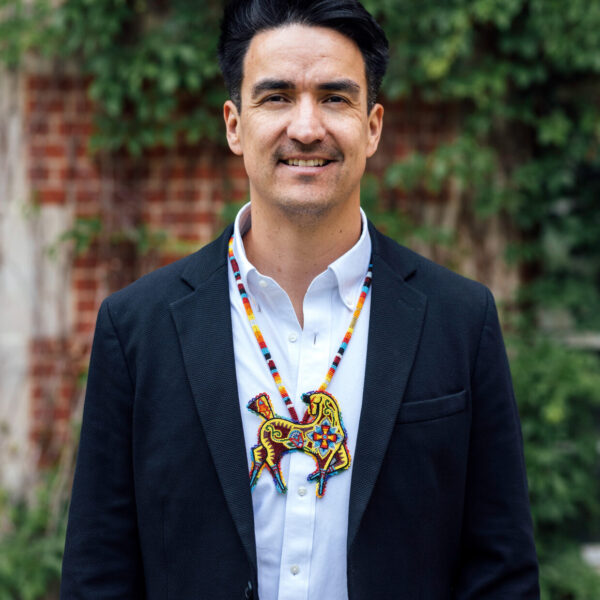
Dr. Grant Bruno
Panel 3: Equity as Infrastructure: Community-Driven Autism System Design
Assistant Professor in the Department of Pediatrics , University of Alberta
LinkedInDr. Grant Bruno is nêhiyaw (Plains Cree), a registered member of Samson Cree Nation located on Treaty 6 Territory, and an Assistant Professor in the Department of Pediatrics at the University of Alberta. As both a researcher and a parent to neurodivergent children, his research seeks to create culturally responsive models of wellbeing that reflect the strengths and challenges of families, particularly in the areas of neurodivergence and child and youth health. Drawing on nêhiyaw understandings of health and wellness, he weaves together Indigenous knowledge systems and Western frameworks to foster inclusive and decolonized approaches to support children and youth with neurodevelopmental differences through community-centred research.
-
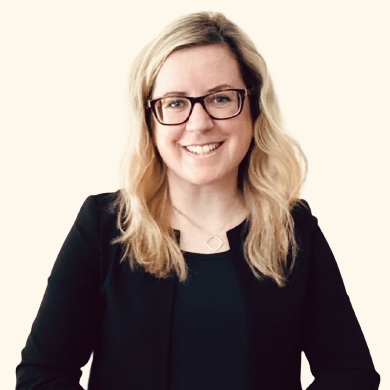
Karen Kelm
Panel 1: Beyond One-Size-Fits-All: Needs-Based Care,Identity, and the Future of Support Systems
President and CEO, Fragile X Canada
Karen Kelm is President and CEO of Fragile X Canada, where she works to connect families, clinicians, researchers, and partners to advance understanding, care, and community. She holds an MSc in Medical Sciences and brings both professional and lived expertise as a mother of three adult children with Fragile X syndrome. Karen is passionate about bridging real-world experience with research to inspire more inclusive, strengths-based systems of support.
-
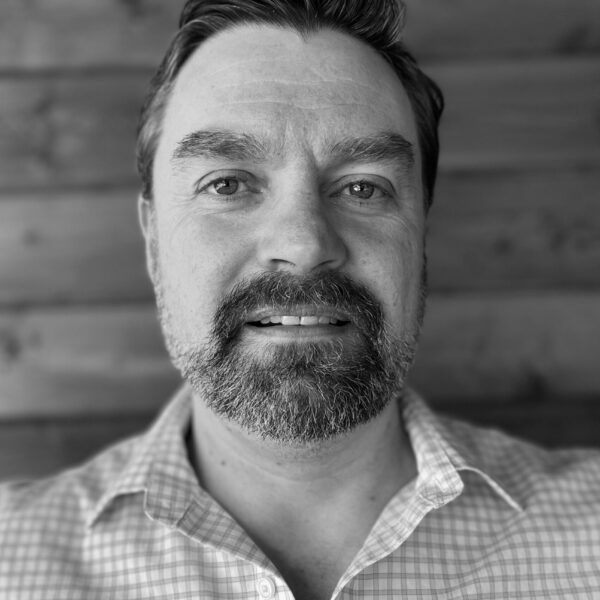
Justin Burchart
AI and Autism Symposium
Justin Burchart supports IBM Canada’s Corporate Social Responsibility and Innovation mandates as an Implementation Manager for the IBM SkillsBuild program. He works with partner organizations across Canada to maximize impact for learners and stakeholders. With over 10 years leading skills and training initiatives and 25 years at IBM across sales, finance, supply chain, and social responsibility, Justin brings deep cross-sector experience to workforce development programs.
-
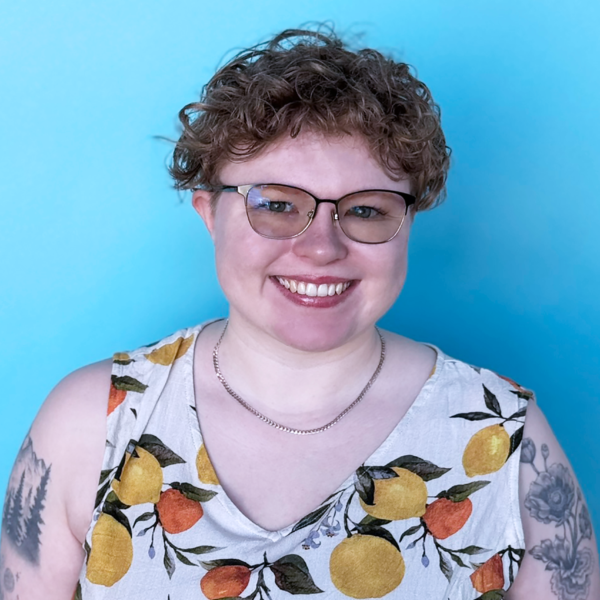
Rowan Duncan
Panel 1: Beyond One-Size-Fits-All: Needs-Based Care,Identity, and the Future of Support Systems
Training and Accessibility Coordinator, Canucks Autism Network
LinkedInRowan Duncan is an Autistic/multiply neurodivergent person from BC striving to help others cope and thrive in a complex world. Formally educated in Behavioural Neuroscience and World Literatures, she has driven countless neurodiversity support initiatives across adapted programming, community training delivery and development, accessibility consultation, and public speaking. Informally, her passions are adventures via motorcycle, the natural world, and creative expression through her mixed media art, recognized literary works, and award‑winning film. Rowan is generally acknowledged for advancing meaningful inclusion through attentive innovation and pragmatic collaboration.
-
Michael Collins
Opening Remarks
Vice-President of the Health Promotion and Chronic Disease Prevention, Public Health Agency of Canada
Michael Collins joined the Public Health Agency of Canada in April 2023 and serves as Vice-President of the Health Promotion and Chronic Disease Prevention branch. Previously, he was acting Associate Assistant Deputy Minister at Health Canada’s COVID & Pandemic Response Secretariat, supporting national rapid test distribution. Over his federal career, he has held roles at Global Affairs Canada, including with the Afghanistan Task Force and as Chief of Staff. He holds degrees from the University of Manitoba and Carleton University.
-
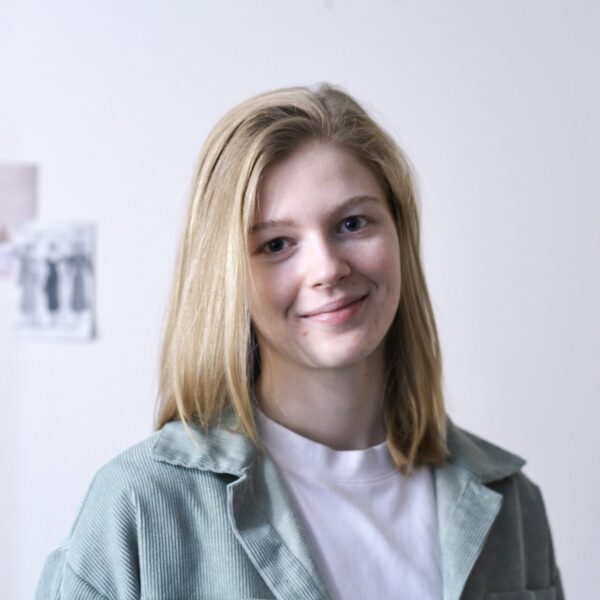
Erin Dekker
Panel 3: Equity as Infrastructure: Community-Driven Autism System Design
Director, Autism Alliance of Canada Board of Directors and PhD Candidate, Wilfrid Laurier University
LinkedInErin Dekker is an autistic self-advocate, PhD candidate, and employment coach specializing in work with neurodivergent adults. They hold an MA in Disability Studies, a post-baccalaureate diploma in Human Resources Management, and a BA in Psychology. As a doctoral student in Community Psychology at Wilfrid Laurier University, Erin is dedicated to advancing inclusion through a focus on social justice, equity, and community engagement. Their community-based research centers on 2SLGBTQ+ and disability communities, with particular attention to healthcare, wellbeing, and social inclusion. As a public speaker, trainer, educator, and advocate, Erin has shared their expertise at United Nations World Autism Awareness Day, Toronto Public Library, and in numerous universities and non-profit organizations.
-
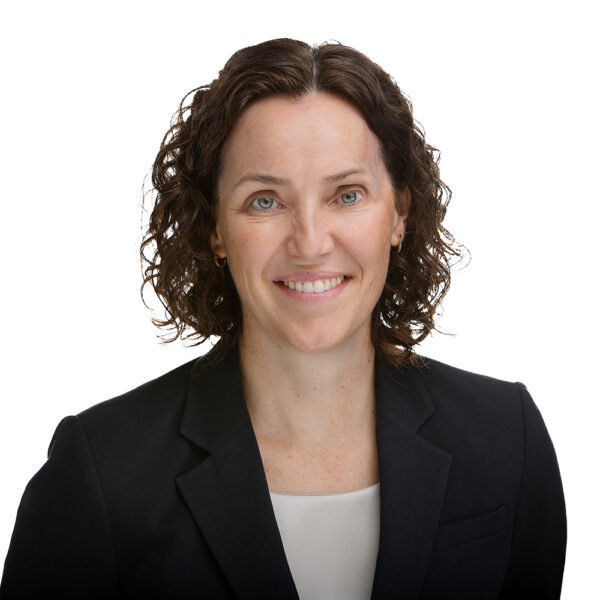
Tanya McLeod is President of The Sinneave Family Foundation (Sinneave) in Calgary, Alberta; a national organization committed to providing value to the community by coordinating and investing in a portfolio of purposeful initiatives and projects aimed at reducing barriers and enhancing opportunities for Autistic youth and adults. Sinneave works locally, provincially, and nationally, dedicated to collaborative action, and grounded by its core values of trust, inclusion, collaboration, empowerment, and sustainability.
-
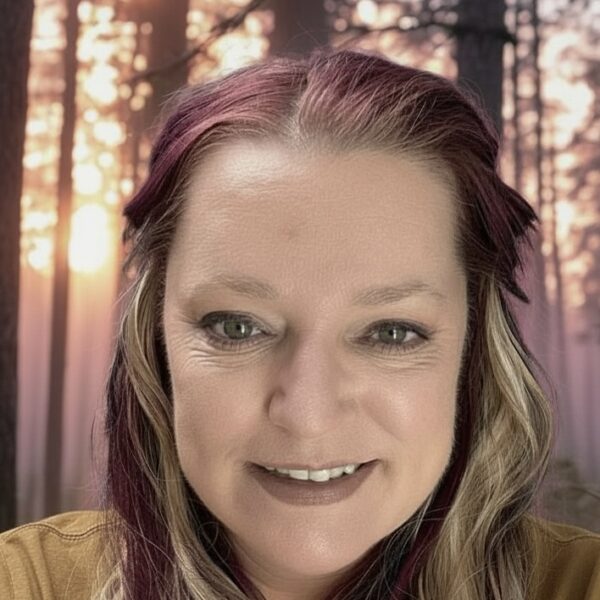
Karen Ann Timm, OCT, M.Ed(c)
Panel 4: Education Futures: Supporting Autistic Learners Beyond the Now
Founder, Neurodivergent Infinity Network of Educators (NINE)
Karen Ann Timm (KT, she/her, Identity-first language) is a multiply Neurodivergent educational leader, consultant, and internationally recognized Autistic advocate. Most importantly, she is Mom to an Ausome human. Founder of the Neurodivergent Infinity Network of Educators (NINE), Karen’s work is grounded in anti-ableist, human rights-based frameworks and a #NothingAboutUsWithoutUs approach. As a multimodal communicator and someone who experiences ongoing sensory barriers, Karen is deeply committed to normalizing the use of Alternative and Augmentative Communication (AAC) and championing sensory accessibility within systems, by design.
Karen’s work prioritizes Autistic-led research and fosters neuroaffirming change in education, practice, and policy — dismantling systemic barriers, particularly for those multiply marginalized. She has developed open-access tools including Allies Take Action, The Digital Repository of Autistic Sensory Truths, Insights and other Contributions (DRASTIC), and NeuroAffirmED, an AI tool designed to support neuroaffirming practices.
To access Karen’s work, visit linktr.ee/NeurodiversityInPrincipal.
-
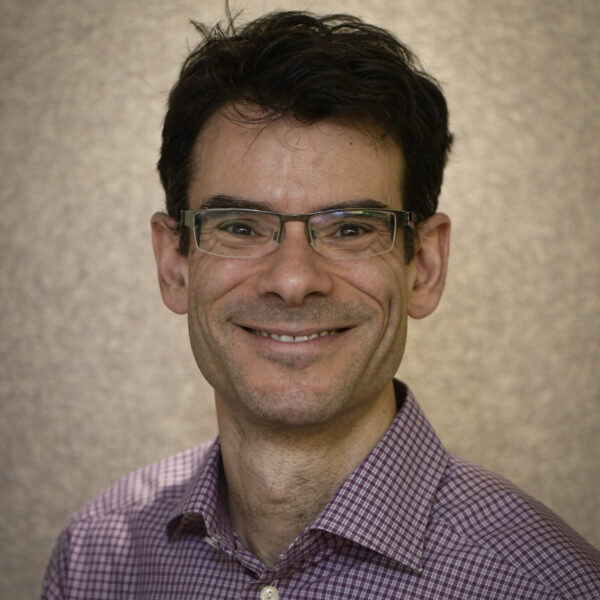
Lonnie Zwaigenbaum, M.D., FRCPC
Panel 1: Beyond One-Size-Fits-All: Needs-Based Care,Identity, and the Future of Support Systems
Pediatrician , Glenrose Rehabilitation Hospital
Lonnie is a developmental pediatrician at the Glenrose Rehabilitation Hospital, where he directs the Autism Research Centre, supported by the Stollery Children’s Hospital Foundation Chair in Autism. He is a Professor in the Department of Pediatrics and the Associate Director and lead for Child Health Research for the Women’s and Children’s Health Research Institute at the University of Alberta. His research focuses on improving early detection, timely diagnosis and health care related to autism. Lonnie has also supported translating research to practice and supporting evidence-based policy. He chaired the Canadian Pediatric Society Task Force that issued practice statements on autism diagnosis and ongoing pediatric care in 2019, and the oversight panel of the Canadian Academy of Health Sciences Autism Assessment.